
How to take care of an 80-year-old: a practical guide for families

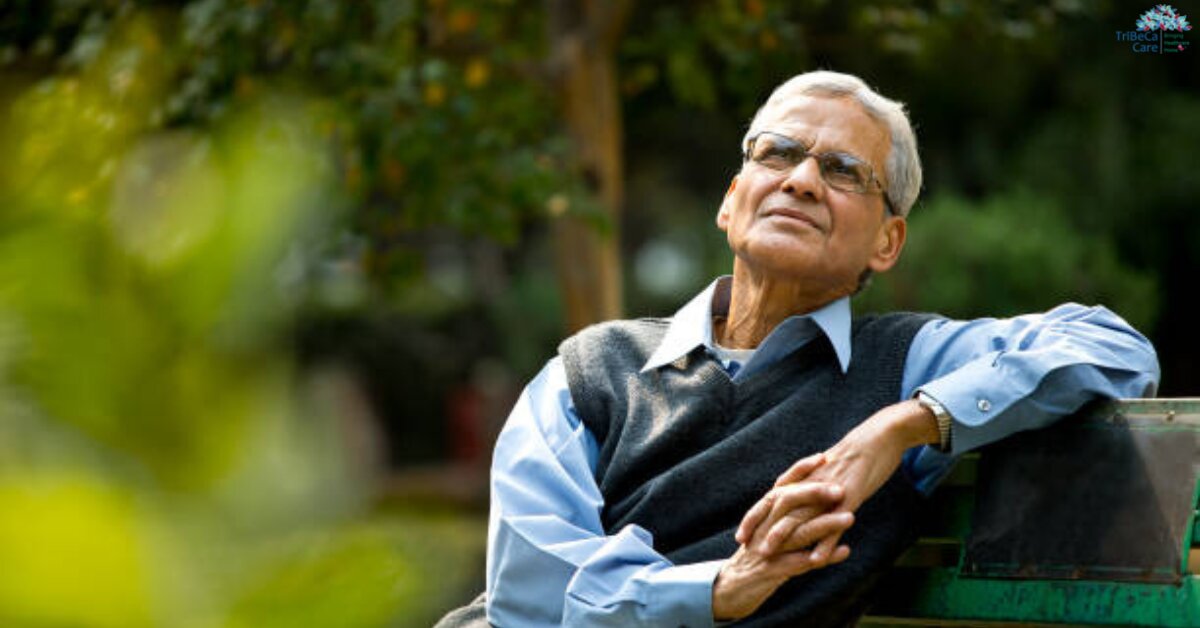
This guide walks through what changes at 80, the common problems and needs, and practical ways to help, with warmth and dignity at the center.
This matters to a lot of households. More than 37,000 people in San Francisco are 80 or older, and several hundred thousand more live across the nine-county Bay Area. Adults 85 and up are the fastest-growing age group in California, and they tend to have the greatest care needs. Still, behind every number is one person you love. For a wider view of aging here, see our guide on aging in San Francisco.
Key takeaways
- Care for an 80-year-old usually spans six areas: health and medications, mobility and falls, nutrition, memory, mood and connection, and home safety.
- Falls are the leading cause of injury for older adults. More than 1 in 4 fall each year, and the risk climbs sharply after 80.
- Small daily habits prevent most crises: a steady routine, good lighting, regular meals, and a daily check-in.
- Watch medications closely. Many 80-year-olds take several, and interactions are common.
- Connection matters as much as safety. Loneliness harms health, so build in real contact every day.
- You do not have to do it all alone. Learn the signs that it is time for extra help, and protect your own health too.
What changes at 80
Eighty is a milestone, not a diagnosis. Many 80-year-olds stay sharp, active, and independent. Even so, the body and senses shift in ways that shape daily care. Muscles and balance weaken, so falls become a bigger risk. Vision and hearing fade. Appetite and thirst drop. Skin grows thin and bruises easily. Memory may slow. Recovery from an illness or a fall takes longer than it used to.
The six areas of care for an 80-year-old
Good care touches six areas. When you keep an eye on each one, you catch small problems before they turn into emergencies. The rest of this guide follows these six.
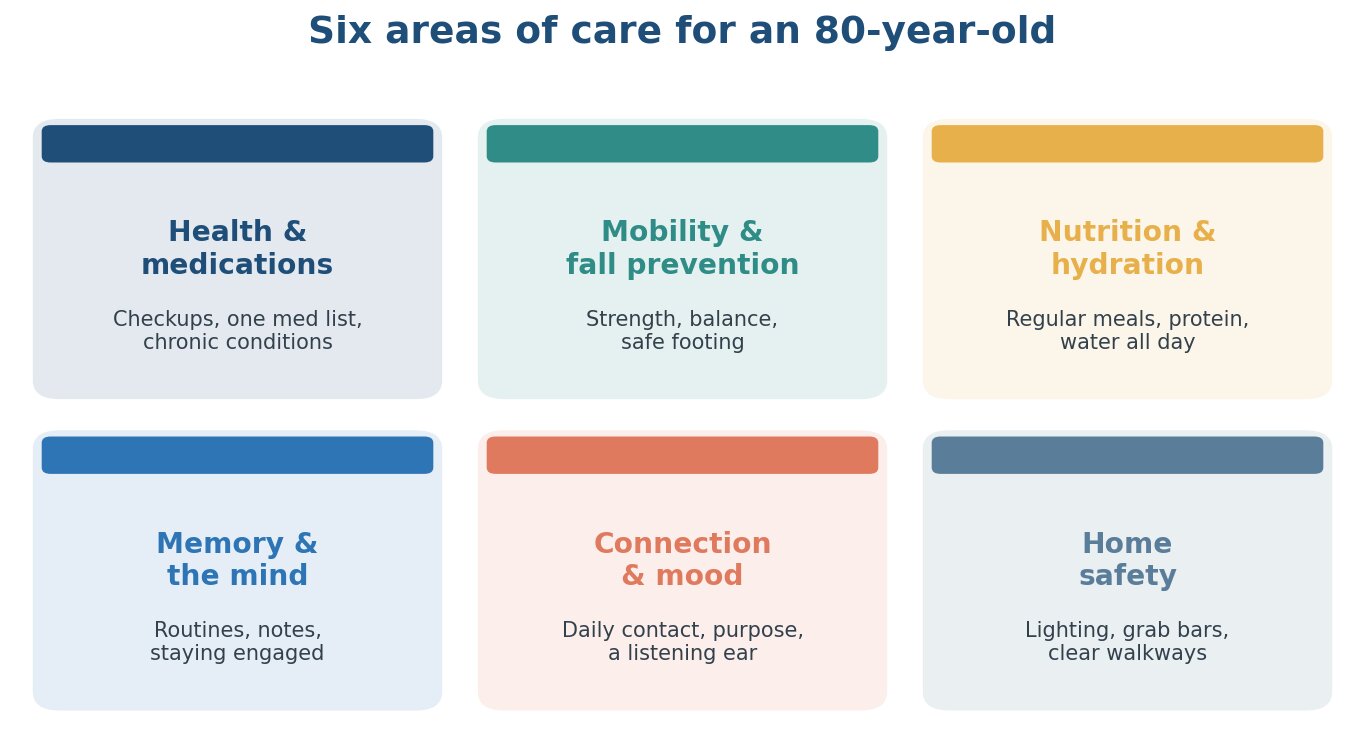
- Health and medications
- Mobility and falls
- Nutrition and hydration
- Memory and the mind
- Emotional wellbeing and connection
- Home safety
Common problems and needs at 80, and what helps
Most families face a familiar set of challenges. Here is a quick map of what tends to come up, why it happens, and simple ways to respond.
| Common challenge | Why it happens | How to help |
|---|---|---|
| Falls and unsteadiness | Weaker muscles, balance, vision, and drug side effects | Remove hazards, add grab bars, and encourage strength and balance |
| Many medications | Several chronic conditions at once | Keep one updated list, use a pill organizer, review with the doctor |
| Eating less, losing weight | Lower appetite, taste changes, dental issues | Offer small frequent meals, add protein, share mealtimes |
| Dehydration | A weaker sense of thirst | Offer water often, keep a cup in reach, add flavor |
| Memory changes | Normal aging or early dementia | Use routines and notes; see a doctor if daily life is disrupted |
| Loneliness and low mood | Loss of friends, mobility, and roles | Build in daily contact, hobbies, outings, and a listening ear |
| Hearing and vision loss | Age-related change | Update glasses and hearing aids, improve lighting, lower noise |
| Slower recovery | Healing takes longer with age | Allow rest, follow up after illness, watch for setbacks |
Table 1. Common challenges at 80 and practical responses.
Health and medications
Start with a strong medical base. Keep one primary doctor who knows the whole picture, and go to checkups together. Bring a written list of every medication, vitamin, and supplement to each visit. Many 80-year-olds take several drugs, and interactions are common, so ask the doctor or pharmacist to review the full list at least once a year. The National Institute on Aging offers clear guidance on safe medication use.
A few habits go a long way: use a weekly pill organizer, set phone or clock reminders, watch for new side effects after any change, and keep up with vaccines and dental care. If the medication routine feels overwhelming, our case management team can help you build a system that works.
Mobility and preventing falls
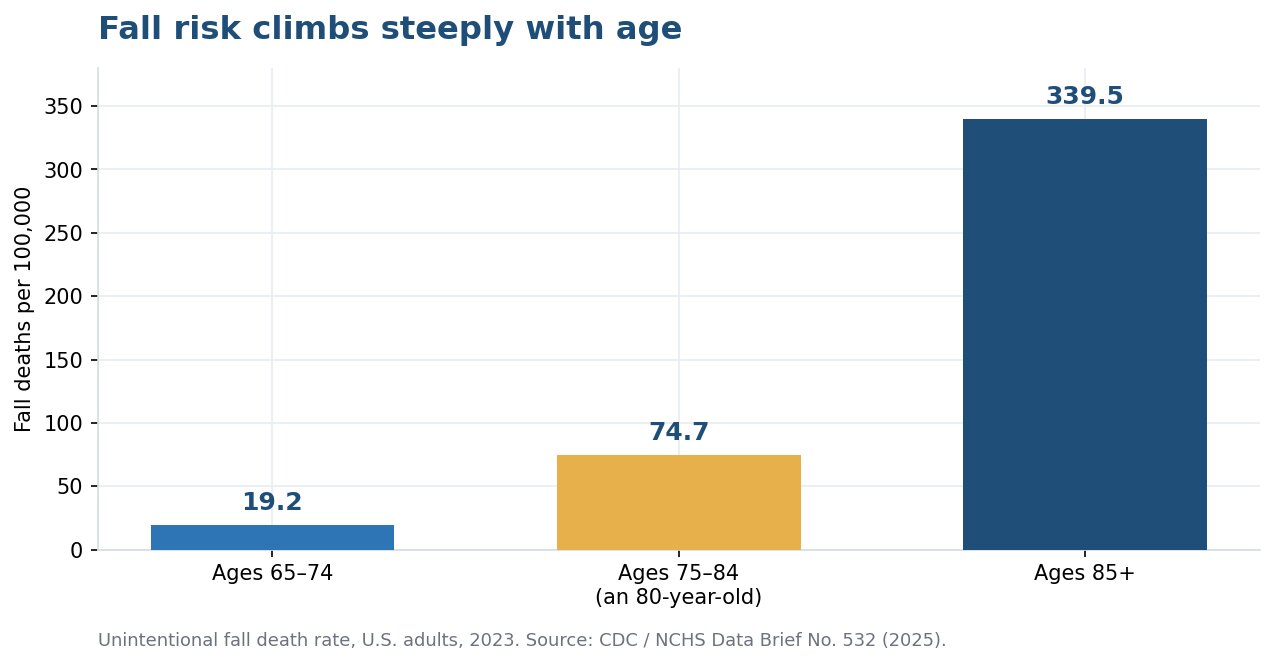
This is the single most important safety task. Falls are the leading cause of injury for older adults, and the danger rises fast with age. An 80-year-old already faces nearly four times the fall-death rate of someone in their late 60s, and the rate keeps climbing into the late 80s.
You can lower the risk a lot. Clear walkways, remove loose rugs, and add bright, even lighting. Install grab bars in the bathroom and rails on stairs. Choose supportive, non-slip shoes. Encourage gentle strength and balance work, since strong legs prevent falls. Keep glasses and hearing aids current, because the senses guide balance. And take every fall seriously, even a small one, because falling once doubles the chance of falling again. The CDC has simple checklists for home safety.
Nutrition and hydration
Eating well gets harder at 80. Appetite fades, taste changes, and dental or swallowing problems can make meals a chore. Aim for small, frequent meals with enough protein to protect muscle. Keep favorite, easy-to-eat foods on hand. Watch for weight loss, which is an early warning sign. Dehydration is just as common, because the sense of thirst weakens, so offer water throughout the day and keep a cup within reach. The National Institute on Aging shares practical tips for healthy eating later in life.
Memory and the mind
Some forgetfulness is normal at 80. Misplacing keys or pausing on a name is usually fine. Warning signs are different: getting lost in familiar places, struggling with everyday words, missing bills, or repeating the same question within minutes. The Alzheimer’s Association lists ten early signs worth knowing. If memory changes start to disrupt daily life, see a doctor early, because some causes are treatable.
To support the mind day to day, keep a steady routine, use a calendar and notes, and stay engaged with puzzles, music, reading, and conversation. If you are caring for someone with dementia, our guide on caring for seniors with dementia and Alzheimer’s walks through each stage, and our dementia care service supports families through it.
Emotional wellbeing and connection
Connection is not a nice extra. It is core health care. Many 80-year-olds have lost friends, a spouse, the ability to drive, and the roles that once gave their days meaning. That loss can lead to loneliness and depression, which raise the risk of many illnesses. Watch for pulling away, loss of interest, or changes in sleep and appetite, and know that depression in older adults is common and treatable. The National Institute on Aging explains the signs and what helps.
Build real contact into every day: a phone call, a shared meal, a short outing, time with grandchildren, or a favorite hobby. When family cannot be there as often as they would like, a few warm hours a week of companion care can fill the gap and brighten the week.
Home safety
Most of life at 80 happens at home, so the home should work for the person. Clear clutter and cords from walkways. Secure or remove loose rugs. Add night lights along the path to the bathroom. Set the water heater to a safe temperature. Keep a phone, a list of emergency contacts, and a medical alert device within easy reach. Small changes here prevent the big events that send people to the hospital.
A gentle daily routine
Routine is calming, and it makes care easier to share among family and helpers. Here is a simple shape for the day that you can adjust to your loved one.
| Time of day | What to focus on |
|---|---|
| Morning | Medications with breakfast, a wash and fresh clothes, a short walk or stretch |
| Midday | A full meal, water, a little fresh air, and a social call or visit |
| Afternoon | Rest, a hobby or activity, light movement, or an errand together |
| Evening | A calm dinner, evening medications, and softer lighting to wind down |
| Night | A clear, lit path to the bathroom, water within reach, and a phone or alert nearby |
| Anytime | Watch mood, appetite, balance, and skin, and note any change |
Table 2. A flexible daily routine you can adapt.
When to consider extra help
Family care is a gift, but no one can do everything forever. A few signs suggest it is time to bring in more support, whether that is professional in-home care, a short rehab stay, or a community.
| What you notice | What it may mean, and a next step |
|---|---|
| Repeated falls or a new fear of falling | A home safety review and in-home help |
| Missed or doubled-up medications | A pill system and caregiver oversight |
| Weight loss, spoiled food, or skipped meals | Help with shopping, cooking, and meals |
| Confusion, getting lost, or unpaid bills | A medical check and closer daily supervision |
| Poor hygiene or an unsafe home | Personal care and home safety support |
| Family caregivers worn down or burning out | Respite care or professional help |
Table 3. Signs it may be time for more support.
The risky moments often come after a hospital stay. Our hospital-to-home support covers those first days, when a fall or a missed medication can undo a recovery. And when home is no longer the safest place, our facility referrals service helps you compare communities with an honest guide, at no cost to your family.
Do not forget to care for yourself
Caring for an 80-year-old can be deeply rewarding and deeply tiring. Burnout helps no one, so treat your own health as part of the care plan. Take breaks, ask family to share the load, and accept help when it is offered. The National Institute on Aging has good resources for family caregivers. Many families find that a blend of family care and a few hours of professional help is the most sustainable path. Our guide on coordinating multiple care services can help you put the pieces together.
Where Care for Seniors fits in
We help Bay Area families care for the people they love. Our caregivers provide warm, reliable in-home care matched to the real need, from a few hours of company each week to full daily support.
- Companion care for conversation, wellness checks, and a brighter routine.
- Personal care and case management for bathing, dressing, medications, and the web of appointments.
- Hospital-to-home support for the fragile days after a discharge.
- Dementia and Alzheimer’s care delivered with patience and skill.
HOW CARE FOR SENIORS CAN HELP
If you are caring for an 80-year-old in the Bay Area, reach out through our San Francisco, San Mateo, or Marin pages. We will help you build a plan that fits your family.
Conclusion
Taking care of an 80-year-old is not about doing everything at once. It is about watching six areas, building a few steady habits, and adjusting as needs change. Keep them safe from falls. Manage medications well. Feed the body and the spirit. Protect connection. Make the home work. And take care of yourself along the way.
Do all of that, and you give your loved one the two things they want most: safety and dignity. For more on where care is headed, read our overview of senior care trends in 2026.
“Behind every checklist is a person with a story, a sense of humor, and a wish to stay home. Our job is to make that possible, one steady day at a time.”
Caring for an aging parent is a lot to carry. Our team can help you build a plan that protects your loved one — and you.
Frequently asked questions
What are the biggest health risks for an 80-year-old?
Falls top the list, since they are the leading cause of injury for older adults. Other common risks include medication problems, poor nutrition and dehydration, memory changes, and loneliness or depression.
How can I prevent my 80-year-old parent from falling?
Clear walkways, remove loose rugs, add bright lighting and grab bars, choose non-slip shoes, keep vision and hearing current, and encourage gentle strength and balance work. Report every fall to the doctor, even a small one.
How much help does an 80-year-old usually need?
It varies widely. Many need only light help with errands, meals, and company. Others need daily support with bathing, dressing, and medications. Match the level of help to the real need, and adjust over time.
What should an 80-year-old eat?
Aim for small, frequent meals with enough protein, plus fruits, vegetables, and whole grains. Keep favorite, easy-to-eat foods on hand, and offer water throughout the day. Watch for weight loss as an early warning sign.
How do I know if memory changes are serious?
Occasional forgetfulness is normal. Be concerned if your loved one gets lost in familiar places, struggles with everyday words, misses bills, or repeats questions within minutes. See a doctor early, since some causes are treatable. Learn more in our dementia care guide.
When should we consider professional in-home care?
Consider it after repeated falls, missed medications, weight loss, growing confusion, or caregiver burnout. A few hours of companion care can make a big difference before a crisis.
Does Care for Seniors serve my area?
We serve San Francisco, San Mateo, and Marin County. If you live nearby, call us anyway. We will help you find the right care, even if it is not with us.
Related reading
- Aging in San Francisco: Key Statistics and Care Options in 2026
- Caring for Seniors with Dementia and Alzheimer’s: A Guide for Bay Area Families
- Senior Care Trends in 2026
- How Families Can Coordinate Multiple Care Services for an Aging Parent
Sources
- CDC, Facts About Falls (Older Adult Fall Prevention)
- CDC / NCHS, Unintentional Fall Deaths in Adults Age 65 and Older (Data Brief 532, 2025)
- National Institute on Aging, Caregiving
- National Institute on Aging, Safe Use of Medicines for Older Adults
- National Institute on Aging, Healthy Eating for Older Adults
- National Institute on Aging, Depression and Older Adults
- Alzheimer’s Association, 10 Early Signs and Symptoms
This guide is general information, not medical advice. Please work with your loved one’s doctor on any specific health decisions.

Related posts

Popular Posts


Testimonials
I was extremely pleased with the in-home care I received from your employee, Zanaida Beltran. Zenaida is a highly competent caregiver who is very instrumental in fulfilling my needs after I suffered a fractured pelvis. At all times she was prompt in arriving, knew how to perform her duties intelligently and did all with a most pleasant manner. Zenaida anticipated what was necessary and went beyond normal circumstances making my surrounding appropriately safe and clean. She also made sure that I followed the instructions of my doctors and physiotherapist. Upon accompanying me to appointments, she assisted with all transfers from car or cab. I felt confidant-having Zenaida with me. I am positive that Zenaida’s help during the first days of my confinement has been instrumental in my eventually achieving a full recovery from my accident. Thank you for sending such a valuable caregiver.

I wanted to put in writing what a lifesaver Care for Seniors was for us. My husband and I found ourselves in the unexpected situation for both being in the hospital at the same time. Len was going to be released before me but still needed a caregiver when he arrived home. I was not going to be home for a few days but I was also going to need help recovering from my chemotherapy treatment. It was 3:00pm in the afternoon when the agency was contacted and amazingly they were able to get us a live in caregiver by 6:00pm that same day. I shudder when I think back on that day and how vulnerable and helpless I felt. Thanks to you, Alla and Care for Seniors staff, our needs were met with compassion and understanding. Thank you so much! It’s comforting to know that we seniors have a safe and reliable place to turn for help.

I am so grateful for all your services. My mother was cared for with compassion, attention, dignity, and integrity. A special commendation is deserved by Maria Regina Garcia. Gina went way above her responsibilities in caring for my mother. My mother grew to love her. I frequently observed Gina holding my mother’s hand and stroking her hair. In the hours immediately prior to my mother’s death on July 19th 2009, Gina sat with her through the night ensuring that at every stage in the process, my mother would be comfortable. My cousin who shared some time with her that evening told me that Gina was caring and tearful, two attributes for which Gina is to be treasured. Living so far from my mother, it was always my intent that she not die alone or in pain. To some extent, my cousins in the Bay Area assisted with that. However, Gina ensured that my mother’s last few months would be shared with an attentive, compassionate, and caring individual. Within minutes of my mother’s death, Gina called me here in Georgia to notify me. Gina stayed with my mother until my mother was transported from Rhoda Goldman Plaza. I will always remember the service of your caregivers, but particularly Gina. You should consider her a treasured asset.

Thank you so much for your help and support during Joe’s ordeal. You couldn’t have helped more, and your energetic and cheerful presence was an added comfort. I am recommending Care for Seniors to SF Village very highly. I hope we cross paths again in happier times.

I wanted to express my appreciation for the excellent service you provided in helping my mother during the past two years. You and your office staff were always available and wonderfully responsive to last minute changes and emergencies as they arose. Your Caregivers were sensitive and competent, especially considering my mother’s many special requirements. She was very pleased with their effort, ability and affection. I can strongly recommend Care for Seniors as a reliable, competent and effective service in caring for the elderly. Best wishes to you and all your Staff.

I want to thank you and all your staff for your care for Bob and being so responsive and helpful. I would gladly recommend Care for Seniors to any families who want kind and caring support for their loved ones.

I wanted to express my appreciation for the excellent service you provided in helping my mother..

I want to thank you and all your staff for your care for Bob and being so responsive and helpful..
I wanted to put in writing what a lifesaver Care for Seniors was for us. My husband and I found ourselves..