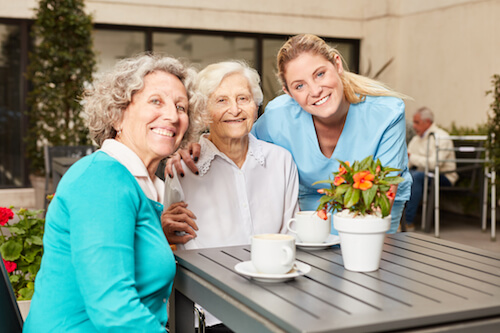









Companion care for connection and daily routine
What companion care includes
Companionship and daily routine support
-
Friendly conversation, reading, and shared activities
-
Walks, games, hobbies, and social outings
-
Appointments, community activities, and errands
-
Meals, light housekeeping, and laundry
-
Medication reminders and family updates
Selected personal care support when needed
-
Selected bathing, dressing, and grooming assistance
-
Mobility and safety support during daily routines
-
Medication reminders and safety monitoring
-
Care plan updates as needs change
Who companion care is for
-
Seniors who live alone and benefit from regular social contact
-
Seniors who feel isolated or less connected than they used to be
-
Families who cannot visit every day
-
Seniors who need companionship, routine support, and light hands-on help at home
-
Seniors who want to stay independent at home with a familiar caregiver
Not sure which type of care is right?
Companion care at home
Personal care support
Home health care
How companion care helps families
Reduces isolation
Keeps routines easier
Gives family peace of mind
How to get started
1. Tell us about the routine
2. Create a care plan
3. Start and adjust care
Companion care across the San Francisco Bay Area
San Francisco County
San Mateo County
Marin County