Dementia care at home

Specialized in-home support that helps seniors with dementia stay safer, calmer, and more comfortable at home.
Caregiver,Help,Assist,Senior,Old,Man,Eldery,Puring,Water,And
Client Logo
Client Logo
Client Logo
Client Logo
Client Logo
Client Logo
Client Logo
Client Logo
Licensed California home care agency · Industry association member · Reviewed by local families

In-home dementia care for daily safety and routine

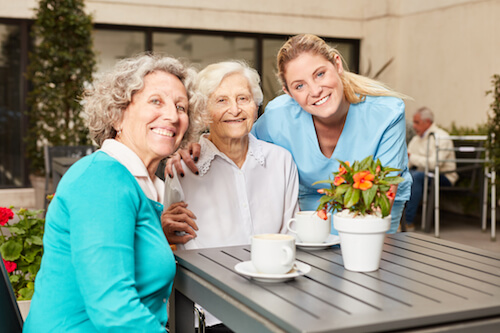
Dementia care at home means non-medical, in-home support for seniors experiencing memory loss, confusion, changes in routine, and daily living challenges. It is not a medical treatment — it is practical, compassionate help that allows your loved one to remain safely at home, in a familiar environment.
Care for Seniors provides dementia care across San Francisco, San Mateo County, and Marin County. Caregivers follow consistent routines, support personal care and household tasks, monitor safety, and give family members regular updates. Flexible scheduling means care can start part-time and grow as needs change.

What our dementia care includes

Personal care support

  • Bathing assistance

  • Dressing and grooming assistance

  • Toileting and incontinence care

  • Transferring and ambulation assistance

  • Medication reminders

  • Safety monitoring

  • Companionship and engagement

Daily living and safety support

  • Light housekeeping

  • Meal preparation and nutrition

  • Laundry and changing of bed linens

  • Grocery shopping and errands

  • Escort to appointments and social activities

  • Family status updates

  • Coordination with involved care teams

  • Ongoing visits and reassessment as needs change

Signs it may be time for dementia care

  • Memory loss is affecting daily routines

  • Meals, medication, or hygiene are being missed

  • Your loved one is becoming unsafe at home

  • Wandering or fall risks are increasing

  • Family caregivers are feeling exhausted or overwhelmed

Why staying at home can help

Familiar surroundings

Staying at home reduces confusion and stress. Familiar people and places help those with dementia feel calm and secure, making daily life more manageable.

Consistent routine

Predictable daily schedules and the same caregiver build trust and stability — especially important for cognitive health and reducing anxiety over time.

Support for the whole family

Caregivers support your loved one directly and also give family members relief, regular updates, and help navigating care decisions as needs change.

How to get started

1. Talk with our team

Share the situation, schedule, safety concerns, and care goals. No commitment required.

2. Build a care plan

Care for Seniors helps define the right level of in-home support for your loved one's current needs.

3. Start care and adjust

Support can start part-time and increase as needs change. The care plan adjusts with your loved one.

Not sure if home care is still enough?

Care for Seniors helps families think through whether in-home dementia care is still the right fit. If your loved one's needs grow beyond what can be safely supported at home, our team can also guide you through facility referral options at no additional cost.

Choosing the right care support

This guide helps families compare home care agencies, ask the right questions, and understand what to look for before starting care.

Ready to get started?

Our care managers are available to answer your questions and help build a care plan — at no commitment.
Call to discuss care options

Dementia care questions families ask in 2026

01. Can dementia care be provided at home in 2026?
Yes. Dementia care can often be provided at home when the environment can be kept safe and the person has the right level of daily support. In-home dementia care helps with routines, personal care, meals, medication reminders, companionship, safety monitoring, and family updates. The goal is to help your loved one remain in familiar surroundings when home care is still appropriate.
02. What does an in-home dementia caregiver help with?
An in-home dementia caregiver can help with bathing, dressing, grooming, toileting, mobility, meal preparation, light housekeeping, medication reminders, errands, companionship, and safety monitoring. For dementia care specifically, the caregiver also supports consistent daily routines, calm communication, and structured activity to help reduce confusion and stress.
03. When should a family consider dementia care at home?
Families often consider dementia care when memory loss starts affecting meals, hygiene, medication, safety, or daily routines. It may also be time to get help if wandering, fall risks, confusion, or family caregiver exhaustion are increasing. Getting support earlier can help prevent crisis decisions later.
04. Is dementia care the same as Alzheimer's care?
Not exactly. Dementia is a broader term for memory and thinking changes that affect daily life. Alzheimer's disease is one common cause of dementia. Dementia care focuses on daily support, safety, routine, and family relief. Alzheimer's care may involve a more specific focus on progressive memory loss, wandering prevention, and stage-aware support as the condition changes over time.
05. How does Care for Seniors build a dementia care plan?
The process starts with understanding the senior's routine, safety concerns, personal care needs, and family goals. The care plan is reviewed at minimum every 60 days, or sooner if there is a change in condition. Caregivers complete daily notes so the team can monitor patterns closely and keep the plan responsive.
06. What makes Care for Seniors different for dementia care in the Bay Area?
Care for Seniors combines in-home dementia support with broader care guidance across San Francisco, San Mateo County, and Marin County. Management credentials include Certified Dementia Practitioner and Certified Seniors Advisor. The agency also offers facility referral guidance at no cost when in-home care is no longer the right fit.

Looking for Advice?


    image-2021-07-26-15-17-49-688