Caring for seniors with dementia and Alzheimer’s: a guide for Bay Area families

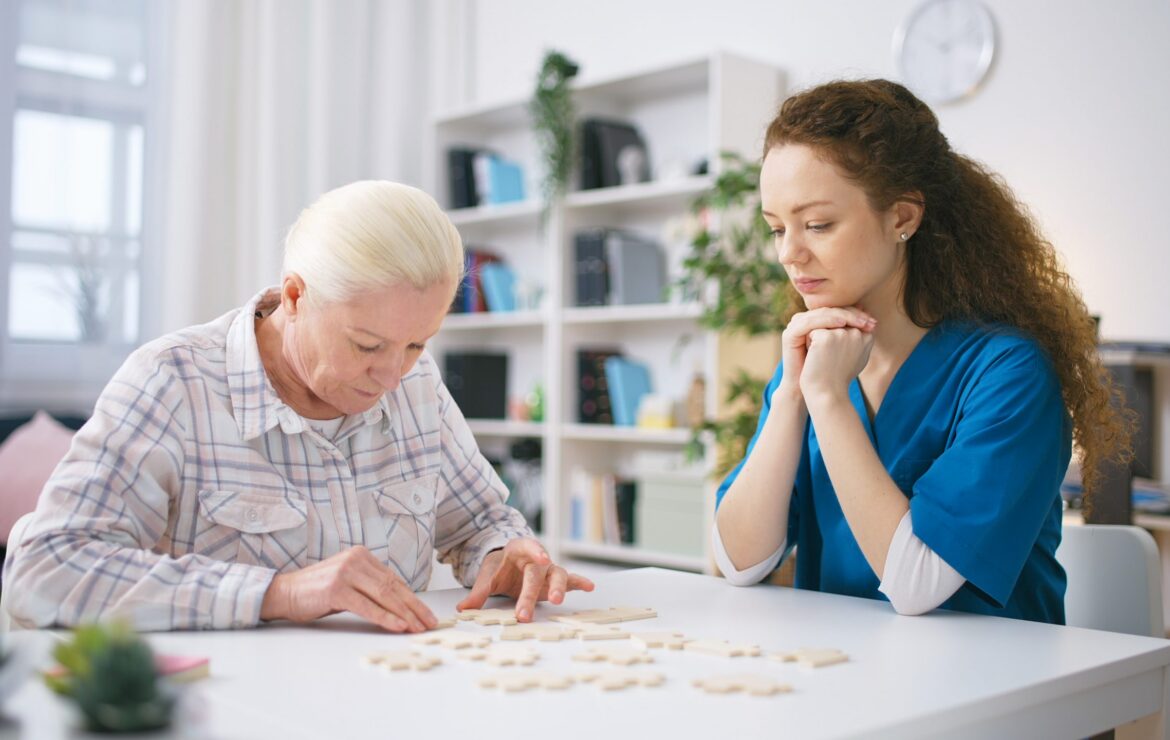
Every year, more families across the Bay Area are living the reality of Alzheimer’s and related dementias. And many of them are searching for answers: What is actually happening? What kind of help is available? And how do we keep our loved one safe, comfortable, and at home for as long as possible? This comprehensive guide translates global statistics, local trends, and professional care approaches into actionable insights for your family, sharing how we at Care for Seniors support families across San Francisco, San Mateo, and Marin County.
Key takeaways
- Dementia affects more than 55 million people worldwide – and nearly 7.2 million Americans aged 65 and older have Alzheimer’s disease specifically.
- California has one of the highest Alzheimer’s rates in the country, with an estimated 12% of adults 65+ affected.
- The Bay Area’s 65+ population is growing faster than any other age group, putting more families in need of dementia support.
- Early, consistent in-home care helps seniors with dementia stay safer and calmer at home.
- Caregiver burnout is real – family members need support too, not just the person with dementia.
- Professional home care is not a last resort. It is often what makes staying at home possible.
What is dementia and how is it different from Alzheimer’s?
People often use “dementia” and “Alzheimer’s” interchangeably. They are related, but not the same.
Dementia is an umbrella term. It describes a group of symptoms – memory loss, confusion, difficulty with language, and changes in behavior – that are severe enough to interfere with daily life. According to the World Health Organization, dementia affects memory, thinking, behavior, and the ability to carry out everyday activities. Importantly, it is not a normal part of aging.
Alzheimer’s disease is the most common cause of dementia. It accounts for an estimated 60–80% of all dementia cases. Other causes include vascular dementia, Lewy body dementia, and frontotemporal dementia.
Dementia is not a single disease. It is a syndrome with many possible causes. Alzheimer’s is the most common one. Understanding the difference helps families ask better questions and find the right support.
Common early warning signs
- Forgetting recent conversations or appointments (beyond normal forgetfulness)
- Asking the same question repeatedly within a short time
- Getting lost in familiar places or on familiar routes
- Struggling to find the right words mid-sentence
- Withdrawal from social activities they used to enjoy
- Mood changes that seem out of character – irritability, suspicion, or sadness
These signs do not always mean dementia. But if you notice several of them persisting over weeks or months, a conversation with a doctor is a wise first step.
The numbers: dementia around the World and Across the U.S.
The scale of dementia is staggering. The WHO reports that over 55 million people worldwide are currently living with dementia, with nearly 10 million new cases diagnosed every year. That is roughly one new case every three seconds. These numbers are expected to rise sharply. Projections point to 78 million people affected by 2030, and 139 million by 2050.
Dementia statistics in the USA
| Metric | Figure | Source |
|---|---|---|
| People worldwide living with dementia | 55 million+ | WHO |
| New dementia cases per year worldwide | ~10 million | WHO |
| Americans aged 65+ with Alzheimer’s (2025) | 7.2 million | Alzheimer’s Association |
| Projected U.S. Alzheimer’s cases by 2050 | ~13 million | Alzheimer’s Association |
| U.S. health and long-term care costs for dementia (2026) | $409 billion | Alzheimer’s Association |
| Share of dementia cases that are Alzheimer’s | 60–80% | Alzheimer’s Association |
| Unpaid caregivers in the U.S. | ~13 million | Alzheimer’s Association |
The Alzheimer’s Association’s 2025 report confirmed that for the first time, more than 7 million Americans are living with Alzheimer’s. That number could nearly double to 13 million by 2050 without major medical breakthroughs in prevention or treatment.
Age is the biggest risk factor. The likelihood of developing Alzheimer’s rises significantly with each decade:
- About 5% of adults aged 65–74 have Alzheimer’s
- About 13.2% of adults aged 75–84
- About 33.4% of adults aged 85 and older
Dementia in the Bay Area: a growing local challenge
The Bay Area is aging. Census data shows that the San Francisco metro area’s 65+ population was the only age group to grow between 2020 and 2023 – increasing by 8.7%. The 18-and-under population, by contrast, fell by nearly 9%.
San Francisco’s median resident age reached 40.7 in 2024, and projections from the California Department of Finance suggest that could climb to 51 by 2055.
California as a whole is facing a serious dementia challenge. According to research published in Alzheimer’s & Dementia, an estimated 12% of California adults aged 65 and older have Alzheimer’s disease – one of the highest rates in the country. More than 650,000 Californians aged 65 and older are currently living with Alzheimer’s, and that number is projected to more than double by 2040.
The Bay Area will soon have more residents aged 65 and older than aged 18 and younger. That shift means more families navigating dementia – and more families who need informed, compassionate support close to home.
A 2025 research analysis published in BMC Public Health looked at the global burden of Alzheimer’s and other dementias in adults aged 65 and older from 1990 to 2021. The study found consistent growth in disease burden across high-income regions, with disability-adjusted life years from dementia rising substantially. The Bay Area – with its large, aging, diverse senior population – reflects these global trends locally.
San Francisco’s senior population is also notably diverse, with large Chinese American, Latino, Filipino, and Russian-speaking communities. Research suggests that Black and Hispanic seniors face a disproportionately higher risk of Alzheimer’s and related dementias compared to white seniors of the same age. This means culturally aware and linguistically sensitive care is not optional – it is essential.
How dementia progresses: what families can expect
Dementia typically progresses through stages, though the pace and pattern vary from person to person.
- Early stage: memory lapses and mild confusion. The person can still manage most daily activities but may need reminders and some help with complex tasks.
- Middle stage: this is usually the longest and most challenging phase for families. Memory gaps widen. Behavioral changes – wandering, agitation, repetition – become more frequent. Help with personal care becomes necessary.
- Late stage: the person needs full support for all daily activities. Communication becomes very limited. Physical functions decline.
THE VALUE OF EARLY CARE
Most families do not seek outside help until the middle or late stages. But starting care earlier – even just a few hours a week – often delays decline, reduces caregiver burnout, and creates routines that are much harder to establish once the disease has progressed further.
What good dementia care actually looks like
There is no cure for dementia. But there is a great deal that good care can do.
Research consistently shows that person-centered, consistent, and familiar care makes a meaningful difference. The San Francisco Human Services Agency’s dementia strategy has long emphasized community-based approaches that keep seniors connected to their environment, routines, and the people who matter to them.
What effective in-home dementia care includes
- Consistent caregivers – having the same person regularly builds trust and reduces anxiety for someone with dementia
- Structured daily routines – predictable schedules reduce confusion and behavioral episodes
- Safe home environment – monitoring fall risks, wandering risks, and ensuring medications are taken correctly
- Engagement and companionship – gentle activities, conversation, and human connection slow cognitive decline and improve mood
- Personal care support – help with bathing, dressing, grooming, and meals, delivered with dignity and patience
- Family communication – regular updates so family members feel informed and supported, not left in the dark
Good dementia care is not about doing things for a person. It is about doing things with them – at their pace, in their space, with their comfort as the guide.
How we care for seniors with dementia and Alzheimer’s
At Care for Seniors, we have been supporting families in the Bay Area for over 23 years. Dementia care is one of the areas we take most seriously – because we know how much is at stake.
Our dementia care and Alzheimer’s care services
Our dementia care and Alzheimer’s care services are non-medical, in-home support programs. We do not replace doctors or nurses. We provide the daily, hands-on help that makes it possible for your loved one to remain safely at home.
Here is what we bring to each care relationship:
- Safety and routine: Our caregivers establish consistent daily routines, monitor for wandering or fall risks, provide medication reminders, and keep family members informed with regular updates.
- Personal care with dignity: Bathing, dressing, grooming, toileting, and mobility support – all delivered with patience and respect for the person’s comfort and preferences.
- Household and practical support: Light housekeeping, meal preparation, laundry, grocery shopping, and escort to appointments – so the home stays a safe, functional, comfortable place.
- Companionship and engagement: One of the most important things we offer is presence. Conversation, gentle activities, and social connection matter deeply for cognitive and emotional health.
- Flexible scheduling: Care can start with just a few hours a week and grow as needs change. We also offer 24-hour care when families need around-the-clock support.
- Coordination with the care team: We communicate with family members, primary care doctors, and other involved providers – so everyone is working together, not in silos.
Caregiver selection and matching
We do not just send anyone. Every caregiver goes through thorough screening, interviews, and training. We also work carefully to match caregivers to clients – considering personality, language, and the specific needs of the individual with dementia. Consistency matters enormously in dementia care, and we take that seriously.
Support for family caregivers too
Families who care for someone with dementia often become invisible patients themselves. Caregiver stress and burnout are serious concerns – nearly 40% of dementia caregivers report clinical depression or high stress levels.
Our respite care and case management services are specifically designed to give family caregivers a break and a partner. You should not have to figure this out alone.
When home is no longer the right place
Sometimes, despite everyone’s best efforts, home care is no longer enough. The needs may be too complex, or safety risks may reach a point where residential memory care is the better choice.
We understand this is one of the hardest decisions a family can face. Our facility referrals service exists for exactly this moment. We know the local memory care communities – in San Francisco, San Mateo, and Marin County – and we can help families navigate the options honestly, without pressure, and with the person’s dignity at the center.
Conclusion
Dementia is one of the most challenging things a family can face. It asks more of everyone – more patience, more flexibility, more compassion, more time. But it does not have to be faced alone. With the right support, seniors with dementia can stay at home longer, feel safer and calmer, and continue to live with dignity. And family caregivers can get the relief and guidance they need.
At Care for Seniors, this is what we do – every day, in San Francisco, San Mateo, and Marin County. We have been doing it for over two decades, and we bring that experience to every family we work with. If you are caring for someone with dementia or Alzheimer’s, we hope this guide has helped. And whenever you are ready to talk, we are here.
Frequently Asked Questions
What is the difference between dementia and Alzheimer’s disease?
Dementia is a general term for a group of symptoms – memory loss, confusion, difficulty with daily tasks – caused by damage to the brain. Alzheimer’s disease is the most common cause of dementia, accounting for 60–80% of cases. Other types include vascular dementia and Lewy body dementia. Not all dementia is Alzheimer’s, but Alzheimer’s always involves dementia.
At what stage should I consider home care for a loved one with dementia?
The sooner the better. Many families wait until a crisis – a fall, a wandering incident, a medication error – before calling for help. Starting with just a few hours of care per week in the early or middle stage helps establish routines and trust with a caregiver. It also gives the family some breathing room before needs become more intensive.
Can a caregiver really help someone who has dementia but does not want help?
Yes, with patience and the right approach. Resistance to care is very common in dementia. Our caregivers are experienced with this and know how to build trust gradually, maintain dignity, and work within a person’s comfort zone. A good match between caregiver and client – in personality and communication style – makes a big difference.
How much does in-home dementia care cost in the Bay Area?
Costs depend on how many hours of care are needed and the level of support required. We can walk you through the options during a free consultation. Many families find that professional home care is more affordable than a memory care facility – and it allows their loved one to stay at home, which most seniors strongly prefer.
Do you serve areas outside San Francisco?
Yes. We serve San Francisco, San Mateo County, and Marin County. We are actively expanding to additional Bay Area counties. Contact us to ask about coverage in your specific area.
What if home care is not enough anymore?
If the time comes when home is no longer the right place, we can help with that too. Our facility referrals service helps families find the right memory care community – with honest guidance and no pressure.
Ready to talk? We Are Here. If your family is dealing with dementia or Alzheimer’s, you do not have to figure it out alone. Reach out to Care for Seniors today for a free consultation.
Call Us Direct:
San Francisco: (415) 664-9991
San Mateo: (650) 342-9111
Marin County: (415) 535-1232
Related reading
- Aging in San Francisco: Key Statistics and Care Options for Bay Area Seniors
- Senior care trends in 2026: what aging services look like now
External sources

Related posts
Popular Posts


Testimonials
I was extremely pleased with the in-home care I received from your employee, Zanaida Beltran. Zenaida is a highly competent caregiver who is very instrumental in fulfilling my needs after I suffered a fractured pelvis. At all times she was prompt in arriving, knew how to perform her duties intelligently and did all with a most pleasant manner. Zenaida anticipated what was necessary and went beyond normal circumstances making my surrounding appropriately safe and clean. She also made sure that I followed the instructions of my doctors and physiotherapist. Upon accompanying me to appointments, she assisted with all transfers from car or cab. I felt confidant-having Zenaida with me. I am positive that Zenaida’s help during the first days of my confinement has been instrumental in my eventually achieving a full recovery from my accident. Thank you for sending such a valuable caregiver.

I wanted to put in writing what a lifesaver Care for Seniors was for us. My husband and I found ourselves in the unexpected situation for both being in the hospital at the same time. Len was going to be released before me but still needed a caregiver when he arrived home. I was not going to be home for a few days but I was also going to need help recovering from my chemotherapy treatment. It was 3:00pm in the afternoon when the agency was contacted and amazingly they were able to get us a live in caregiver by 6:00pm that same day. I shudder when I think back on that day and how vulnerable and helpless I felt. Thanks to you, Alla and Care for Seniors staff, our needs were met with compassion and understanding. Thank you so much! It’s comforting to know that we seniors have a safe and reliable place to turn for help.

I am so grateful for all your services. My mother was cared for with compassion, attention, dignity, and integrity. A special commendation is deserved by Maria Regina Garcia. Gina went way above her responsibilities in caring for my mother. My mother grew to love her. I frequently observed Gina holding my mother’s hand and stroking her hair. In the hours immediately prior to my mother’s death on July 19th 2009, Gina sat with her through the night ensuring that at every stage in the process, my mother would be comfortable. My cousin who shared some time with her that evening told me that Gina was caring and tearful, two attributes for which Gina is to be treasured. Living so far from my mother, it was always my intent that she not die alone or in pain. To some extent, my cousins in the Bay Area assisted with that. However, Gina ensured that my mother’s last few months would be shared with an attentive, compassionate, and caring individual. Within minutes of my mother’s death, Gina called me here in Georgia to notify me. Gina stayed with my mother until my mother was transported from Rhoda Goldman Plaza. I will always remember the service of your caregivers, but particularly Gina. You should consider her a treasured asset.

Thank you so much for your help and support during Joe’s ordeal. You couldn’t have helped more, and your energetic and cheerful presence was an added comfort. I am recommending Care for Seniors to SF Village very highly. I hope we cross paths again in happier times.

I wanted to express my appreciation for the excellent service you provided in helping my mother during the past two years. You and your office staff were always available and wonderfully responsive to last minute changes and emergencies as they arose. Your Caregivers were sensitive and competent, especially considering my mother’s many special requirements. She was very pleased with their effort, ability and affection. I can strongly recommend Care for Seniors as a reliable, competent and effective service in caring for the elderly. Best wishes to you and all your Staff.

I want to thank you and all your staff for your care for Bob and being so responsive and helpful. I would gladly recommend Care for Seniors to any families who want kind and caring support for their loved ones.

I wanted to express my appreciation for the excellent service you provided in helping my mother..

I want to thank you and all your staff for your care for Bob and being so responsive and helpful..
I wanted to put in writing what a lifesaver Care for Seniors was for us. My husband and I found ourselves..