
Why is post-operative home care important for a safer recovery?

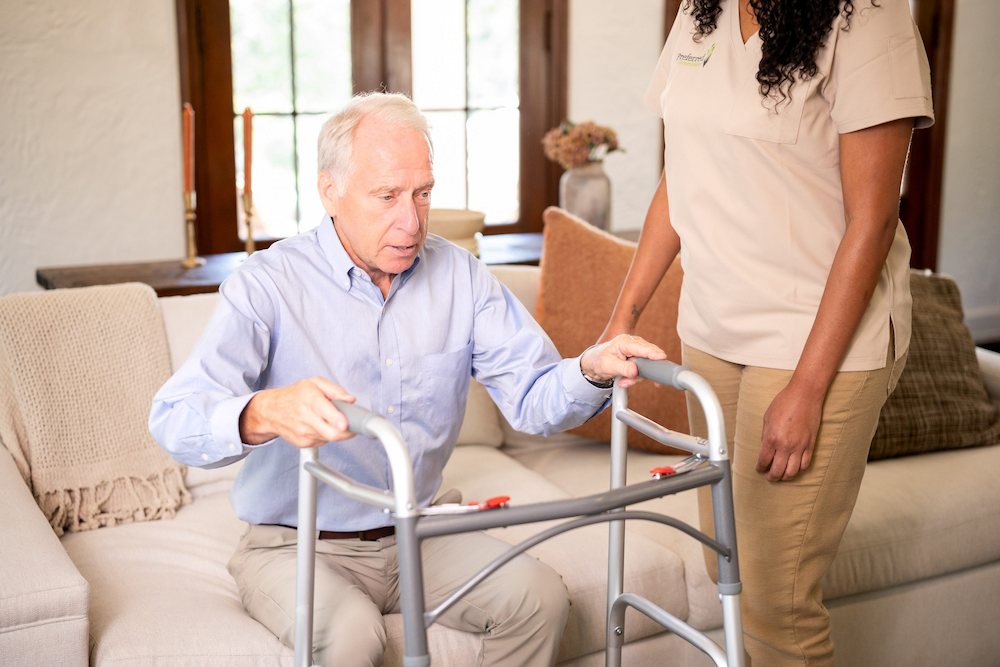
Coming home after surgery should feel like relief – but for many families, it brings new worries. Pain management, wound care, mobility challenges, and simple daily tasks can suddenly feel overwhelming. Post-operative home care provides the hands-on support adults need during those critical first days and weeks of recovery, reducing complications and helping patients heal safely at home.
Whether you’re recovering from joint replacement, cardiac surgery, or another procedure, having trained help after surgery can make the difference between a smooth recovery and a dangerous setback. This guide explains why post surgery home care matters, what caregivers actually do, and how to decide if professional support is right for your situation.
What post-operative home care means (and what it doesn’t)
Post-operative home care is non-medical support that helps you manage daily life while your body heals. A caregiver after surgery assists with personal care, meal preparation, light housekeeping, medication reminders, and safe movement around your home. They’re there to handle the tasks that become difficult or risky when you’re weak, in pain, or limited by surgical restrictions.
This is different from skilled nursing care, which involves wound dressing changes, IV medications, or physical therapy. While some agencies coordinate with nursing partners for medical needs, most post op home care focuses on companion care and daily living support – the practical help that keeps you safe, comfortable, and on track with your recovery plan.
Think of it this way: your surgeon fixes the medical problem, skilled nurses handle clinical follow-up, and home care services after surgery handle everything else. That includes getting dressed without twisting your incision, preparing nutritious meals when you’re too tired to cook, and making sure you don’t miss important follow-up appointments.
Why the first days after discharge are the highest-risk period
Hospital discharge marks the start of recovery, but it’s also when patients are most vulnerable. You leave a controlled environment with 24/7 medical supervision and return home while still weak, medicated, and adjusting to post-surgical limitations. Research shows that complications, medication errors, and falls spike during the first 72 hours at home.
Medication confusion and missed doses
After surgery, you’re often managing multiple new prescriptions: pain relievers, antibiotics, blood thinners, anti-nausea drugs. Instructions can be confusing, especially when you’re dealing with pain and grogginess. Missing doses or taking medications incorrectly can slow healing, increase pain, or cause dangerous interactions.
A post surgery caregiver provides medication reminders, organizes pills by time of day, and tracks what you’ve taken. They can’t administer medications (unless they’re licensed to do so), but they ensure you stay on schedule and catch potential problems before they escalate.
Falls and mobility setbacks
Surgery weakens your body. Anesthesia affects balance for days. Pain medications cause dizziness. Surgical restrictions limit how you can move. Add fatigue and unfamiliar medical equipment, and your home becomes a minefield of fall risks.
Falls after surgery don’t just cause bruises – they can tear incisions, displace surgical repairs, or lead to dangerous bleeding if you’re on blood thinners. In-home help after surgery means someone is there to steady you during transfers from bed to chair, assist with bathroom trips at night, and prevent the rushed movements that cause accidents.
Wound monitoring and infection warning signs
Even with perfect surgical technique, infections happen. The difference between a minor issue and a hospital readmission often comes down to catching warning signs early. But when you’re exhausted and focused on managing pain, it’s easy to miss subtle changes in your incision.
Having an extra set of eyes makes a difference. A trained caregiver checks your surgical site regularly, watches for redness, swelling, or drainage, and alerts you (and your doctor) if something looks wrong. Early intervention can prevent a small infection from becoming a serious complication requiring emergency treatment.
What a post-surgery caregiver does at home (practical list)
The specific tasks depend on your surgery type and recovery needs, but post operative care at home typically covers three main areas: personal care and mobility, household support, and coordination with your medical team.
Personal care and safe transfers
Your caregiver helps with bathing (often sponge baths initially to keep incisions dry), getting dressed without bending or twisting, and using the bathroom safely. They assist with transfers – getting in and out of bed, standing from a chair, navigating stairs – using proper techniques that protect your surgical site.
They also help with hygiene tasks you might not think about until they become difficult: washing your hair, changing clothes, putting on compression stockings, or reaching items on high shelves. These aren’t luxuries; they’re essential for maintaining dignity and preventing complications during recovery.
Meals, hydration, and light housekeeping
Good nutrition speeds healing, but cooking is exhausting when you’re recovering. Your caregiver prepares meals that meet any dietary restrictions, encourages adequate fluid intake (especially important for preventing constipation from pain medications), and keeps your recovery area clean and organized.
Light housekeeping means you’re not worrying about laundry, dishes, or clutter while trying to heal. It also reduces infection risk by maintaining a clean environment around your surgical site. A caregiver can grocery shop, manage trash, and handle other tasks that require lifting or movement you need to avoid.
Transportation and follow-up support
You can’t drive while taking narcotic pain medications, and many surgeries come with driving restrictions lasting weeks. Your caregiver provides transportation to follow-up appointments, helps you remember questions for your doctor, and takes notes on post-visit instructions.
They also coordinate with your medical team, reporting concerning symptoms and ensuring you follow discharge instructions. This communication bridge can catch problems before they require emergency intervention, keeping your recovery on track.
Home safety checklist after surgery (quick changes that matter)
Before you return home, make these simple modifications to reduce fall risk and make recovery easier:
- Clear pathways: remove loose rugs, electrical cords, and clutter from walking routes, especially between your bed and bathroom. Tape down carpet edges and ensure adequate lighting along paths you’ll use at night.
- Bathroom safety: install grab bars near the toilet and in the shower. Use a shower chair if standing is difficult. Place a raised toilet seat if bending is restricted. Keep a nightlight on for safe nighttime bathroom trips.
- Sleep and rest areas: set up your recovery space on the main floor if stairs are challenging. Keep medications, water, phone, and tissues within easy reach. Position a sturdy chair nearby for safe sitting when getting dressed.
- Kitchen modifications: move frequently used items to counter level so you don’t need to reach or bend. Prepare easy-to-reheat meals in advance. Use lightweight dishes and cups to reduce strain.
- Mobility aids: have your walker, cane, or crutches properly fitted before discharge. Keep them within reach but out of tripping zones. Consider a reacher-grabber tool for picking up dropped items without bending.
These changes cost little but significantly reduce complications. A caregiver can help implement them and adjust as your mobility improves.
Signs of infection after surgery and other red flags to watch for
Knowing what’s normal versus concerning can prevent dangerous delays in treatment. Contact your doctor immediately if you notice:
- Infection warning signs: increased redness spreading from the incision, warmth around the surgical site, foul-smelling or greenish drainage, fever above 101°F (38.3°C), or sudden increase in pain after it had been improving. Small amounts of clear or slightly pink drainage are often normal, but any pus or foul odor requires immediate evaluation.
- Circulation and blood clot symptoms: calf pain, swelling, or warmth in one leg (especially after orthopedic surgery), sudden shortness of breath, chest pain, or coughing up blood. Blood clots can be life-threatening but are treatable when caught early.
- Medication reactions: severe drowsiness, confusion, difficulty breathing, rash or itching, persistent nausea preventing you from eating or drinking, or dark urine and yellowing skin (possible liver issues with certain pain medications).
- Wound complications: incision opening or edges separating, bleeding that soaks through bandages, or stitches/staples coming loose before your doctor removes them.
A post surgery caregiver doesn’t diagnose these issues, but they recognize concerning changes and help you get medical attention quickly. Their daily presence means problems get caught in hours, not days.
When family help is enough vs when to hire professional home care
Family caregivers provide invaluable emotional support, but temporary home care after surgery may be necessary when:
- Recovery demands exceed family capacity: you need assistance multiple times per night, require help with every transfer and personal care task, or family members work full-time and can’t provide daytime coverage.
- Medical complexity requires experience: your surgery comes with complex restrictions (weight-bearing limits, movement restrictions, multiple wound sites), you’re managing many medications, or you have other health conditions that complicate recovery.
- Family dynamics create stress: well-meaning relatives may not follow medical restrictions, adult children may be uncomfortable with intimate personal care, or family tensions make recovery more stressful rather than supportive.
- Living alone requires backup: you have no local family, live alone and need overnight safety monitoring, or your support network can help occasionally but not consistently throughout recovery.
- Short-term intensive needs: you need maximum support for just the first week or two, then can transition to family help. Professional short term home care after surgery provides expert support during the highest-risk period without long-term commitment.
Many families use a hybrid approach: professional help during weekdays or overnight, with family taking over evenings and weekends. The right solution depends on your specific surgery, support network, and recovery timeline.
How to plan support before hospital discharge
Don’t wait until you’re home to arrange post operative care at home. Start planning before surgery:
- Ask your surgical team for guidance: find out what assistance level you’ll need, any movement or lifting restrictions, expected recovery timeline, and whether they recommend professional support for your procedure type.
- Contact home care agencies early: many services need 24-48 hours notice to arrange caregivers. Explain your surgery type, anticipated discharge date, and specific needs (transfers, meal prep, overnight supervision). Ask about their caregiver qualifications and whether they have experience with your procedure type.
- Clarify insurance and payment: check if your insurance covers any home care services after surgery (Medicare may cover skilled services but typically not companion care). Get clear pricing and understand what’s included. Consider hospital-to-home care programs designed specifically for post-surgical support.
- Prepare your home before surgery: complete the safety checklist above, stock easy-to-prepare foods, fill prescriptions if possible, and set up your recovery area. It’s much easier to move furniture and install grab bars when you’re not managing post-surgical pain.
- Create a care plan: write down your medication schedule, doctor contact information, dietary restrictions, and emergency contacts. Share this with family and caregivers so everyone has the same information.
Planning ahead reduces discharge day stress and ensures support starts immediately when you need it most. For more detailed guidance, see our hospital-to-home care guide for faster recovery.
Cost basics (what families should clarify early)
After surgery home care cost varies based on several factors. Understanding what influences pricing helps you budget and make informed decisions:
- Hourly rates vs shift minimums: most agencies charge hourly but require minimum shifts (commonly 4 hours). Overnight or 24-hour care typically costs more than daytime shifts. Ask about short-term packages designed for post-surgical recovery – these may offer better value than paying by the hour.
- Care intensity affects price: basic companion care (meal prep, light housekeeping, medication reminders) costs less than intensive assistance requiring frequent transfers, toileting help, or specialized post-surgical knowledge. Be honest about your needs to get accurate estimates.
- Urgency and scheduling: same-day or rush placement may carry additional fees. Weekend and holiday care often costs more. Starting care immediately after discharge typically costs the same as scheduled care, but last-minute changes to your plan might not.
- Geographic location matters: rates vary by region. Urban areas generally cost more than rural locations. Ask about coverage areas and whether distance affects pricing.
- What’s typically included: most services include caregiver wages, agency oversight, backup coverage if your caregiver is sick, and care plan coordination. Ask what’s extra: transportation costs, specialized equipment, or agency fees for rush placement.
- Average ranges: while costs vary, expect companion care to range from $25-40 per hour depending on location and care intensity. Overnight shifts (8-12 hours) may be $200-400. A week of daytime support (8 hours/day) might run $1,400-2,800. These are rough estimates – always get specific quotes based on your situation.
Ask agencies for transparent pricing upfront, including any additional fees. Clarify billing practices, cancellation policies, and what happens if you need fewer hours as you recover. Some providers offer flexible arrangements that reduce hours as your needs decrease, potentially lowering overall costs.
Conclusion
Recovering from surgery at home is safer and more comfortable with proper support. Post-operative home care bridges the gap between hospital discharge and independent living, providing the hands-on help you need during your most vulnerable days.
Whether you need help after surgery for a few days or several weeks, professional caregivers reduce complications, prevent falls and infections, and give you the peace of mind to focus on healing. They handle medication reminders, personal care, meals, and household tasks while watching for warning signs that require medical attention.
The key is planning ahead. Contact care providers before your surgery, clarify what support you’ll need, understand costs, and have someone ready to help from day one. Your recovery timeline, living situation, and support network will guide whether family help is sufficient or if hiring professional in-home help after surgery makes sense.
If you’re facing surgery soon and wondering how to manage those critical first weeks at home, reach out to discuss your specific needs. Professional post surgery home care services don’t just make recovery easier – they make it safer, reducing the risk of complications that could land you back in the hospital.

Related posts



Popular Posts


Testimonials
I was extremely pleased with the in-home care I received from your employee, Zanaida Beltran. Zenaida is a highly competent caregiver who is very instrumental in fulfilling my needs after I suffered a fractured pelvis. At all times she was prompt in arriving, knew how to perform her duties intelligently and did all with a most pleasant manner. Zenaida anticipated what was necessary and went beyond normal circumstances making my surrounding appropriately safe and clean. She also made sure that I followed the instructions of my doctors and physiotherapist. Upon accompanying me to appointments, she assisted with all transfers from car or cab. I felt confidant-having Zenaida with me. I am positive that Zenaida’s help during the first days of my confinement has been instrumental in my eventually achieving a full recovery from my accident. Thank you for sending such a valuable caregiver.

I wanted to put in writing what a lifesaver Care for Seniors was for us. My husband and I found ourselves in the unexpected situation for both being in the hospital at the same time. Len was going to be released before me but still needed a caregiver when he arrived home. I was not going to be home for a few days but I was also going to need help recovering from my chemotherapy treatment. It was 3:00pm in the afternoon when the agency was contacted and amazingly they were able to get us a live in caregiver by 6:00pm that same day. I shudder when I think back on that day and how vulnerable and helpless I felt. Thanks to you, Alla and Care for Seniors staff, our needs were met with compassion and understanding. Thank you so much! It’s comforting to know that we seniors have a safe and reliable place to turn for help.

I am so grateful for all your services. My mother was cared for with compassion, attention, dignity, and integrity. A special commendation is deserved by Maria Regina Garcia. Gina went way above her responsibilities in caring for my mother. My mother grew to love her. I frequently observed Gina holding my mother’s hand and stroking her hair. In the hours immediately prior to my mother’s death on July 19th 2009, Gina sat with her through the night ensuring that at every stage in the process, my mother would be comfortable. My cousin who shared some time with her that evening told me that Gina was caring and tearful, two attributes for which Gina is to be treasured. Living so far from my mother, it was always my intent that she not die alone or in pain. To some extent, my cousins in the Bay Area assisted with that. However, Gina ensured that my mother’s last few months would be shared with an attentive, compassionate, and caring individual. Within minutes of my mother’s death, Gina called me here in Georgia to notify me. Gina stayed with my mother until my mother was transported from Rhoda Goldman Plaza. I will always remember the service of your caregivers, but particularly Gina. You should consider her a treasured asset.

Thank you so much for your help and support during Joe’s ordeal. You couldn’t have helped more, and your energetic and cheerful presence was an added comfort. I am recommending Care for Seniors to SF Village very highly. I hope we cross paths again in happier times.

I wanted to express my appreciation for the excellent service you provided in helping my mother during the past two years. You and your office staff were always available and wonderfully responsive to last minute changes and emergencies as they arose. Your Caregivers were sensitive and competent, especially considering my mother’s many special requirements. She was very pleased with their effort, ability and affection. I can strongly recommend Care for Seniors as a reliable, competent and effective service in caring for the elderly. Best wishes to you and all your Staff.

I want to thank you and all your staff for your care for Bob and being so responsive and helpful. I would gladly recommend Care for Seniors to any families who want kind and caring support for their loved ones.

I wanted to express my appreciation for the excellent service you provided in helping my mother..

I want to thank you and all your staff for your care for Bob and being so responsive and helpful..
I wanted to put in writing what a lifesaver Care for Seniors was for us. My husband and I found ourselves..