
Home care for seniors with disabilities: supporting safety and independence

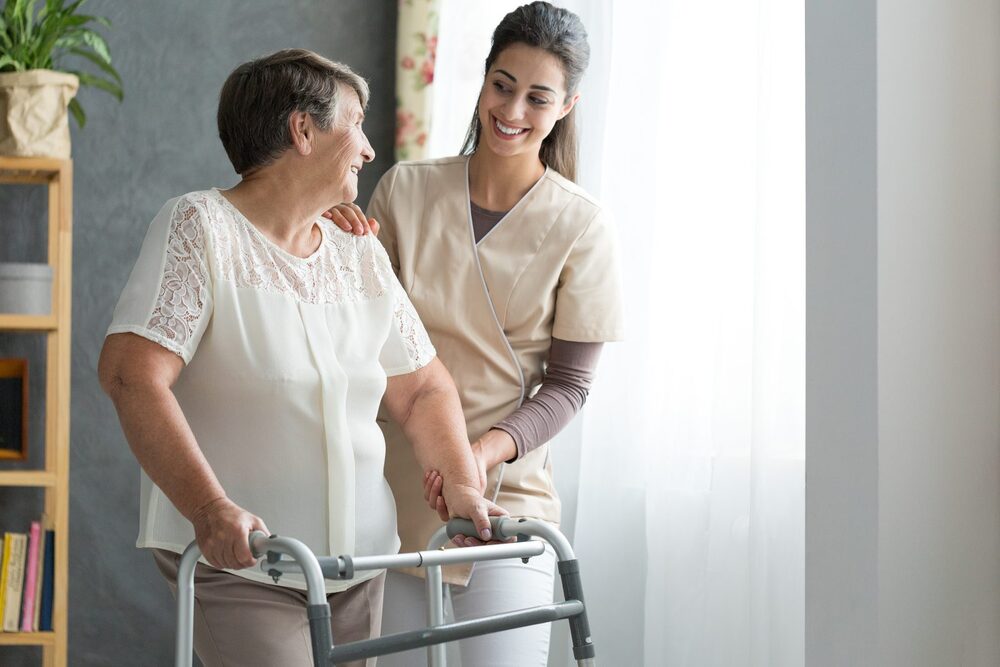
For many seniors living with a disability, the goal is straightforward: stay home, stay safe, and keep doing as much as possible on their own terms. Non-medical home care is built around exactly that goal – not to take over daily life, but to fill the specific gaps where support makes independence more sustainable.
This article explains what in-home disability care for seniors actually includes, which situations benefit most, and how families can find the right level of support without overreaching into what seniors can manage themselves.
What home care for seniors with disabilities actually includes
Non-medical home care covers the practical, day-to-day tasks that become difficult when a senior is managing a physical limitation, cognitive change, or chronic condition. Caregivers assist with activities of daily living – bathing, dressing, grooming, meal preparation, mobility around the home, and toileting. They also help with household tasks such as light cleaning, laundry, and grocery shopping, and can accompany seniors to medical appointments, errands, or social activities.
Crucially, this support is personal and adaptive. A caregiver working with a senior with disabilities is not following a clinical script – they are learning the person’s preferences, pace, and priorities, and adjusting their support accordingly. The scope is broad enough to make a real difference in daily function and narrow enough to stay firmly within non-medical boundaries.
How home care supports daily independence without replacing it
The word “support” is doing real work here. Good non-medical home care does not substitute for what a senior can do – it fills in where they cannot, and steps back where they can. A senior who can dress themselves with minor assistance does not need a caregiver who takes over the process. A senior who can prepare a simple breakfast but struggles with a full meal does not need all their cooking done for them.
This calibration matters because independence is not just practical – it is tied directly to dignity, self-worth, and mental wellbeing. Caregivers who understand this work with the senior, not for them.
Personal care tasks – bathing, dressing, grooming
For seniors with limited mobility, arthritis, balance issues, or neurological conditions, personal care tasks carry real fall and injury risk. A caregiver provides hands-on assistance with bathing, dressing, and grooming in a way that preserves as much of the senior’s participation as possible. This might mean assisting with fasteners while the senior selects their own clothing, or stabilizing a transfer to the shower while the senior directs the routine. The goal is safe completion with the senior’s preferences intact. Learn more about how personal care services keep seniors independent.
Household support and errands
Light housekeeping, laundry, and grocery shopping are tasks that may seem minor but have an outsized effect on daily quality of life when they become difficult to manage. A home that stays reasonably clean and organized reduces fall hazards, supports good hygiene, and reduces the cognitive burden of managing a household under physical strain. Caregivers handle these tasks without displacing the senior from their own home life – this is still the senior’s space, and a good caregiver operates that way.
Transportation and appointment assistance
Missing medical appointments, skipping social activities, and losing access to community – these are among the most significant quality-of-life losses for seniors who can no longer drive. A caregiver who provides transportation and accompaniment restores that access. They can help the senior get ready, navigate safely from home to destination, and provide support during the visit itself if needed. For seniors who are isolated by disability, this community access support is often as valuable as any direct personal care.
Which senior situations benefit most from in-home disability support
Physical and mobility limitations
Seniors managing the effects of stroke, orthopedic conditions, amputation, or age-related decline in strength and balance are among those who benefit most directly from in-home support. The risk of falls increases significantly in this group, and the consequences – fractures, hospitalization, loss of function – are severe. A caregiver provides steady physical assistance during high-risk moments: transfers, bathing, navigating stairs, and moving through the home safely. This support reduces risk without confining the senior to a limited radius of activity.
Cognitive changes and neurological conditions in seniors
Dementia, Parkinson’s disease, and other neurological conditions affect daily function in ways that go beyond mobility. Seniors may struggle with sequencing familiar tasks, remembering to eat or drink, managing time, or staying safe when confused. A non-medical caregiver provides structure, gentle redirection, and consistent presence – without clinical intervention. Familiarity matters here: a caregiver who knows the person’s routines, triggers, and preferences provides far more effective support than a rotating series of strangers. For complex neurological care needs, explore our specialty care services.
Chronic illness and progressive conditions that affect daily living
Heart disease, COPD, diabetes, and other chronic conditions impose a physical tax on daily life that accumulates over time. Fatigue, breathlessness, and reduced stamina mean that tasks completed without a second thought a year ago now require real effort. Non-medical caregivers help manage this gap – preparing meals that support dietary needs, reducing physical exertion on high-symptom days, and providing the kind of consistent daily support that prevents small difficulties from becoming crises.
What is not included into in-home disability support
Understanding what non-medical caregivers do not do is as important as knowing what they do. Caregivers working within this scope do not administer medications, provide wound care, perform clinical assessments, or deliver rehabilitation therapy. They do not replace a home health aide with nursing credentials, a physical therapist, or a physician.
This is not a limitation – it is a design. Non-medical care fills the daily living layer that clinical care was never structured to provide. The two work best together: a nursing team managing clinical needs, a caregiver managing daily function and safety, and family engaged where they are able.
Finding the right balance between support and independence
The right care plan for a senior with disabilities starts with an honest conversation about what is actually difficult, not what looks difficult from the outside. Seniors often resist accepting help because they fear losing control of their lives – and that fear is reasonable, given how care is sometimes delivered.
A good agency will listen carefully, design a care plan around the senior’s own priorities, and build in flexibility to increase or reduce hours as circumstances change. Some seniors need a few hours of support several times a week. Others need daily assistance or extended coverage. The arrangement should fit the life, not the other way around.
What families should look for in a senior home care agency
When evaluating agencies, families should ask how caregivers are matched to clients – by personality and communication style, not just availability. Ask whether care plans are developed with input from the senior directly, not only the family. Understand how the agency handles inconsistency: caregiver illness, scheduling changes, or a sudden increase in the senior’s needs. And confirm that the agency’s caregivers are trained and experienced in supporting seniors with the specific type of disability involved – mobility challenges, dementia, and chronic illness each call for different skills and sensibilities.
Getting started with senior disability home care in the Bay Area
Care for Seniors provides non-medical in-home support for seniors with physical, cognitive, and chronic-condition-related disabilities across the Bay Area. We work with seniors who need a few hours of assistance per week as well as those who require daily or continuous support. Care plans are built with input from the senior and their family, and can be adjusted as needs evolve. Contact us to discuss your situation and explore what level of support makes sense.
Conclusion
Home care for seniors with disabilities is not about managing decline – it is about maintaining the life a person has built, with the support needed to keep living it safely. The right caregiver does not diminish independence; they make it possible in circumstances where it might otherwise slip away. If you are exploring options for yourself or a family member, the most useful first step is a clear picture of where the gaps actually are – and a realistic conversation about how to close them.

Related posts



Popular Posts


Testimonials
I was extremely pleased with the in-home care I received from your employee, Zanaida Beltran. Zenaida is a highly competent caregiver who is very instrumental in fulfilling my needs after I suffered a fractured pelvis. At all times she was prompt in arriving, knew how to perform her duties intelligently and did all with a most pleasant manner. Zenaida anticipated what was necessary and went beyond normal circumstances making my surrounding appropriately safe and clean. She also made sure that I followed the instructions of my doctors and physiotherapist. Upon accompanying me to appointments, she assisted with all transfers from car or cab. I felt confidant-having Zenaida with me. I am positive that Zenaida’s help during the first days of my confinement has been instrumental in my eventually achieving a full recovery from my accident. Thank you for sending such a valuable caregiver.

I wanted to put in writing what a lifesaver Care for Seniors was for us. My husband and I found ourselves in the unexpected situation for both being in the hospital at the same time. Len was going to be released before me but still needed a caregiver when he arrived home. I was not going to be home for a few days but I was also going to need help recovering from my chemotherapy treatment. It was 3:00pm in the afternoon when the agency was contacted and amazingly they were able to get us a live in caregiver by 6:00pm that same day. I shudder when I think back on that day and how vulnerable and helpless I felt. Thanks to you, Alla and Care for Seniors staff, our needs were met with compassion and understanding. Thank you so much! It’s comforting to know that we seniors have a safe and reliable place to turn for help.

I am so grateful for all your services. My mother was cared for with compassion, attention, dignity, and integrity. A special commendation is deserved by Maria Regina Garcia. Gina went way above her responsibilities in caring for my mother. My mother grew to love her. I frequently observed Gina holding my mother’s hand and stroking her hair. In the hours immediately prior to my mother’s death on July 19th 2009, Gina sat with her through the night ensuring that at every stage in the process, my mother would be comfortable. My cousin who shared some time with her that evening told me that Gina was caring and tearful, two attributes for which Gina is to be treasured. Living so far from my mother, it was always my intent that she not die alone or in pain. To some extent, my cousins in the Bay Area assisted with that. However, Gina ensured that my mother’s last few months would be shared with an attentive, compassionate, and caring individual. Within minutes of my mother’s death, Gina called me here in Georgia to notify me. Gina stayed with my mother until my mother was transported from Rhoda Goldman Plaza. I will always remember the service of your caregivers, but particularly Gina. You should consider her a treasured asset.

Thank you so much for your help and support during Joe’s ordeal. You couldn’t have helped more, and your energetic and cheerful presence was an added comfort. I am recommending Care for Seniors to SF Village very highly. I hope we cross paths again in happier times.

I wanted to express my appreciation for the excellent service you provided in helping my mother during the past two years. You and your office staff were always available and wonderfully responsive to last minute changes and emergencies as they arose. Your Caregivers were sensitive and competent, especially considering my mother’s many special requirements. She was very pleased with their effort, ability and affection. I can strongly recommend Care for Seniors as a reliable, competent and effective service in caring for the elderly. Best wishes to you and all your Staff.

I want to thank you and all your staff for your care for Bob and being so responsive and helpful. I would gladly recommend Care for Seniors to any families who want kind and caring support for their loved ones.

I wanted to express my appreciation for the excellent service you provided in helping my mother..

I want to thank you and all your staff for your care for Bob and being so responsive and helpful..
I wanted to put in writing what a lifesaver Care for Seniors was for us. My husband and I found ourselves..